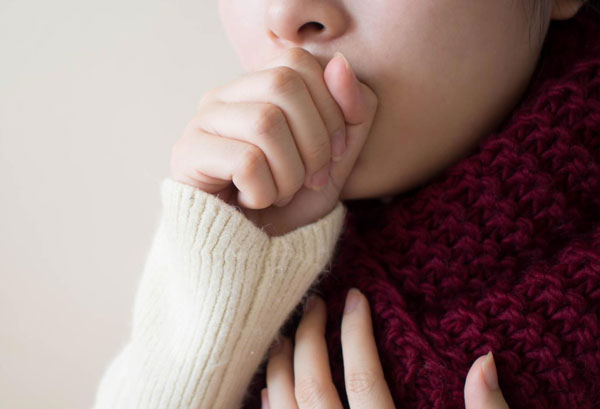
Shortness of Breath (Dyspnea)
Shortness of breath is an uncomfortable feeling of not being able to get enough air into your lungs. You might describe it as chest tightness, gasping or "air hunger." This sensation can happen during activities like walking or climbing stairs and may even occur when you're at rest. In medical terms, this symptom is called dyspnea. Many different conditions can cause shortness of breath, so an accurate assessment is important.
Shortness of Breath Evaluation at PulmoCrit
Same-visit diagnostic workup — spirometry, FeNO, oximetry, and diffusion capacity in one appointment
Cardiopulmonary distinction — determine whether breathlessness is pulmonary, cardiac, or mixed origin
Exercise testing — 6-minute walk test and cardiopulmonary exercise testing (CPET) coordination
Imaging review — CT chest and X-ray interpretation by board-certified pulmonologists
Diagnosis and treatment in one practice — no referral-to-referral delays; specialist care from day one
Available at Granada Hills, Encino, and Thousand Oaks. Request an appointment →
Key Facts
-
Shortness of breath can be sudden or chronic. Sudden episodes (acute dyspnea) may last minutes or hours, while chronic dyspnea lasts several weeks or longer.
-
Chest pain, fainting or nausea with breathlessness are emergencies. If shortness of breath occurs with chest pain or pressure, fainting, nausea or severe difficulty breathing, call 911 or go to your nearest emergency department.
-
Chronic breathlessness is manageable. With proper evaluation and treatment, many people can control chronic shortness of breath through medication, breathing exercises and regular physical activity.
What Causes Shortness of Breath?
Your heart and lungs work together to bring oxygen into your body and remove carbon dioxide. When either organ is not functioning well, you may feel the need to breathe harder. Strenuous exercise, high altitudes, extreme temperatures, poor air quality and obesity can make a healthy person feel short of breath. Sudden breathlessness without an obvious cause or breathlessness that gets worse over time should be evaluated by a healthcare professional.
Lung and Airway Causes
-
Asthma and allergies – flare‑ups or severe allergic reactions can narrow the airways and make breathing difficult.
-
Chronic obstructive pulmonary disease (COPD) and emphysema – these long‑term conditions damage the airways and air sacs in the lungs.
-
Lung infections – such as bronchitis, pneumonia, influenza or COVID‑19.
-
Fluid or inflammation around the lungs, including pleurisy, pleural effusion or pulmonary edema.
-
Lung scarring or cancer.
-
Collapsed lung or blood clot (pulmonary embolism).
Heart and Blood Causes
-
Heart failure or cardiomyopathy – weakened heart muscle can't pump blood effectively.
-
Abnormal heart rhythms or heart attacks – these conditions reduce blood flow to your body.
-
Anemia – without enough hemoglobin, oxygen delivery to tissues is reduced.
Other Conditions and Triggers
-
Anxiety, stress or panic attacks – may cause rapid breathing and the sensation of not getting enough air.
-
Chest wall injury (such as broken ribs) or pain.
-
Medications – such as statins or beta‑blockers can cause dyspnea in some people.
-
Obesity and physical deconditioning – weakened muscles and extra body weight make breathing feel harder.
-
Sudden emergencies – acute breathlessness may be caused by anaphylaxis, choking, blood loss, carbon monoxide poisoning, cardiac tamponade, heart attack, lung infection, pneumothorax (collapsed lung) or a pulmonary embolism. These are medical emergencies that require immediate care.
When Should You See a Healthcare Provider?
Talk to your healthcare provider if shortness of breath is severe, sudden, or interferes with your daily activities. You should seek emergency care right away if you experience any of the following with breathlessness:
-
Sudden or severe difficulty breathing.
-
Breathlessness that doesn't improve after 30 minutes of rest.
-
Blue discoloration of the lips, skin or fingernails (cyanosis).
-
Chest pain, heaviness or palpitations.
-
High fever, wheezing, stridor (high‑pitched breathing sounds) or swelling in your ankles or feet.
-
Fainting, nausea or vomiting associated with breathing difficulty.
How Is Shortness of Breath Diagnosed?
A thorough evaluation helps identify the underlying cause. Your healthcare provider will usually:
- Ask about your symptoms and medical history: be ready to describe when the breathlessness occurs, how long it lasts and any activities that trigger it.
- Perform a physical examination: including listening to your lungs and heart and checking your oxygen level with a sensor on your finger.
- Order tests as needed: these may include chest X‑rays or CT scans to look for lung problems, blood tests to check for anemia, infection or other issues, lung function tests to measure how well you breathe, and cardiopulmonary exercise testing to see how your heart and lungs perform during exertion.
Treatment and Management
Treatment depends on the underlying cause; your provider will tailor therapy to your needs. Common management strategies include:
-
Exercise and pulmonary rehabilitation – regular exercise strengthens your heart and lungs and can lessen chronic breathlessness. A supervised pulmonary rehab program may be recommended.
-
Breathing exercises and relaxation techniques – learning diaphragmatic breathing or pursed‑lip breathing can help control dyspnea and reduce anxiety.
-
Medications – inhaled bronchodilators relax the airways and are often prescribed for asthma or COPD. Pain or anxiety medications may also help.
-
Oxygen therapy – if your blood oxygen level is low, supplemental oxygen delivered through a mask or nasal cannula can improve your breathing.
Managing underlying conditions is essential; for example, controlling asthma triggers, adjusting heart medications, treating infections or correcting anemia. Your provider may also recommend weight loss, smoking cessation or treatment for anxiety depending on the cause.
Self‑Care and Prevention Tips
-
Follow your care plan: work with your provider to manage any chronic conditions and stick to the medications and exercise plans prescribed.
-
Avoid respiratory irritants: stay away from smoke, paint fumes, heavy perfume and other chemicals that can irritate your lungs. Pay attention to air quality alerts and avoid strenuous outdoor activity when pollution or pollen counts are high.
-
Practice breathing exercises and relaxation techniques regularly to improve lung efficiency and manage anxiety.
-
Maintain a healthy lifestyle: don't smoke; maintain a healthy weight; stay physically active to keep your muscles strong; and eat a balanced diet.
-
Limit exposure to extreme temperatures or high altitude: these can trigger breathlessness.
Summary
Shortness of breath can range from a mild annoyance to a sign of a serious medical condition. Many factors — including heart and lung disease, infections, anxiety, obesity and environmental triggers — can affect your breathing. Sudden or severe breathlessness, especially when accompanied by chest pain, fainting or bluish skin, warrants immediate medical attention. Chronic breathlessness should not be ignored; work closely with your healthcare provider to diagnose the cause and create a personalized treatment plan.
If you have questions about your breathing or are concerned about your symptoms, contact our office to schedule an evaluation. Early diagnosis and appropriate care can help you breathe easier and improve your quality of life.